Coed sleepaway camp · Johns Island, South Carolina · Since 1938
ACA accreditedEpiscopal
Campers
Coed
Campers per session
1,000
Nearest airport
CHS · 24 mi
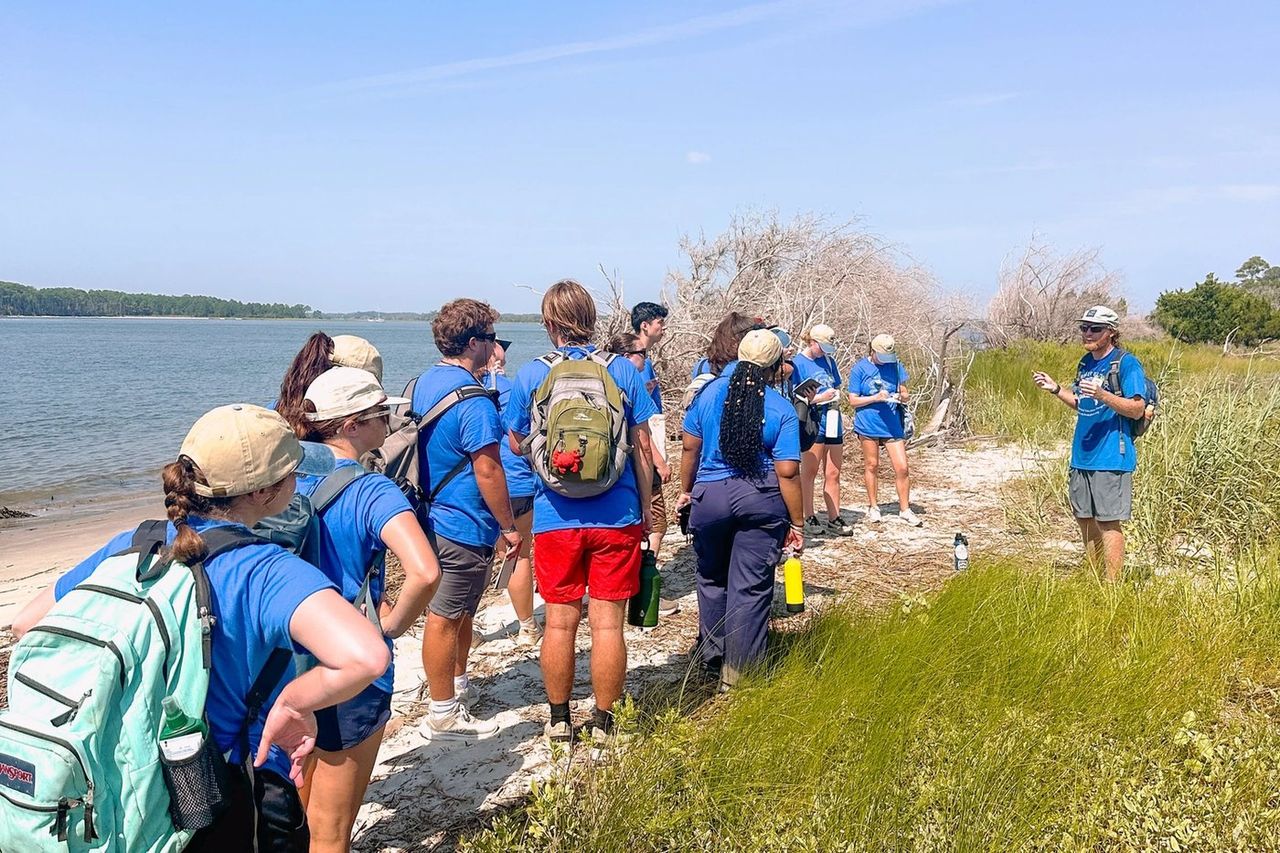
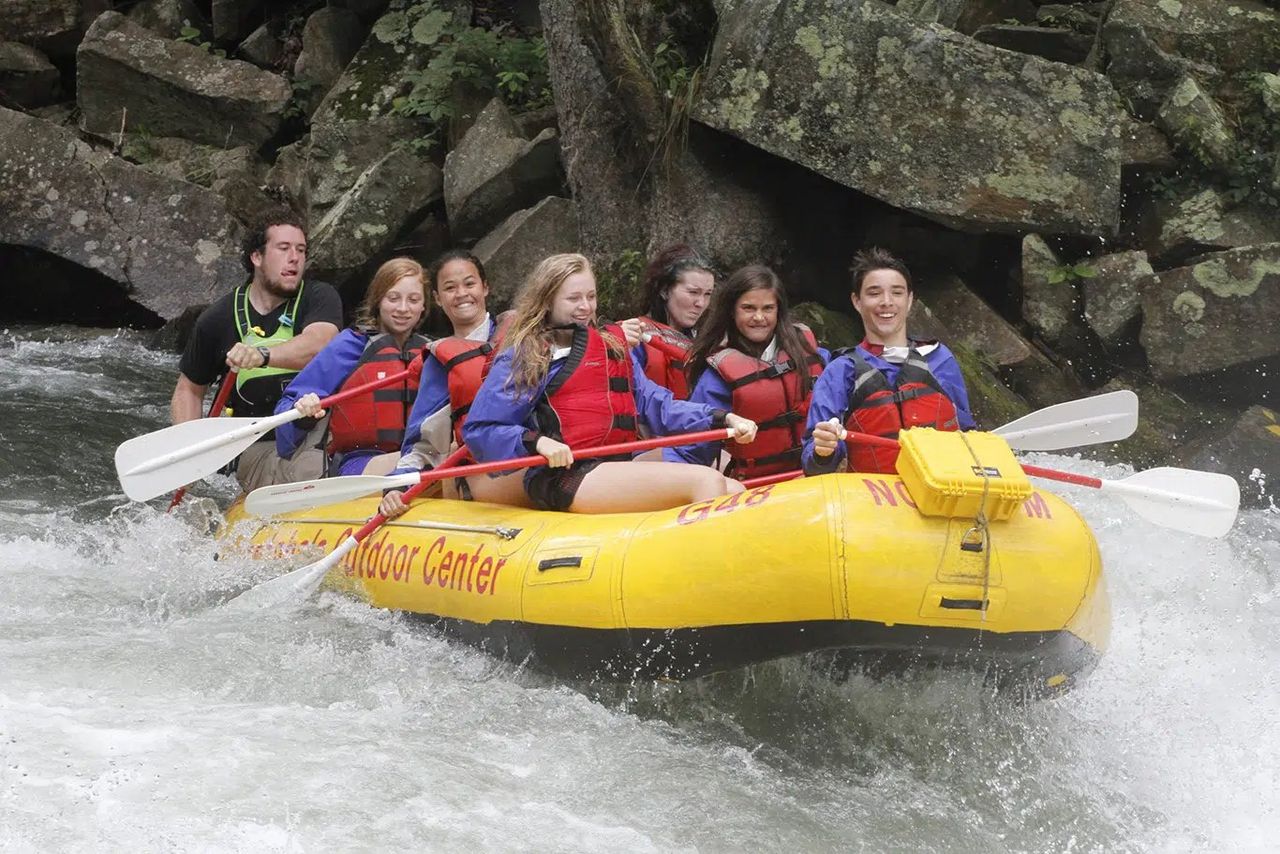
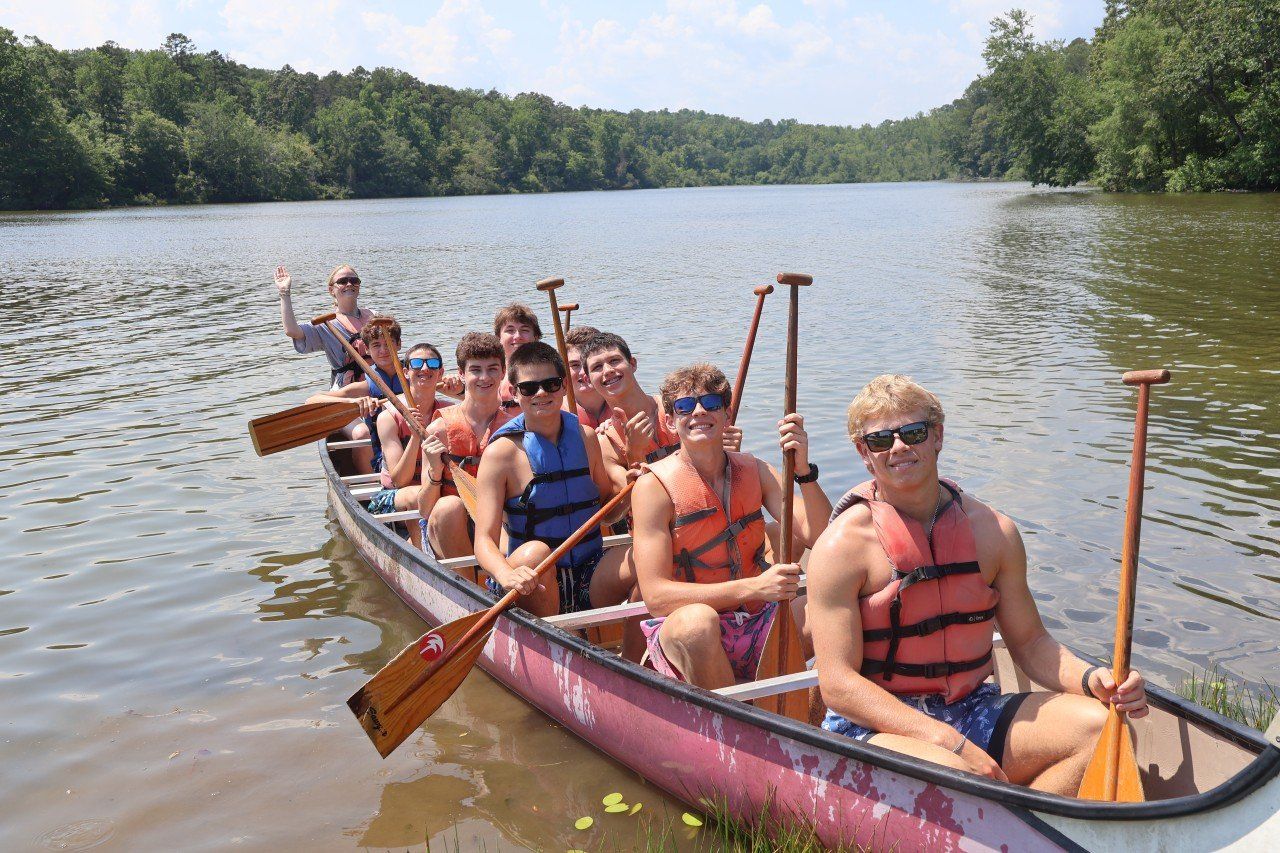
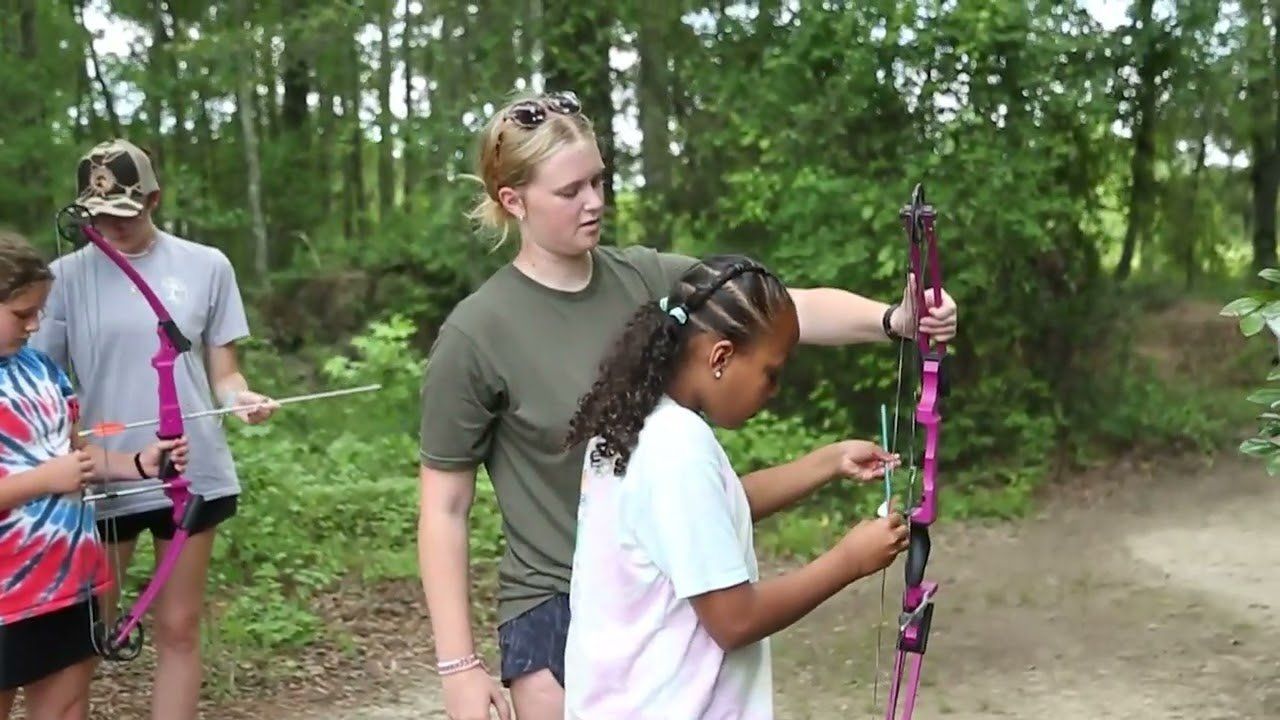
Camp Saint Christopher is an Episcopal summer camp on 314 acres of beach, maritime forest, and salt marsh on Seabrook Island, south of Charleston. A day can include hiking, sailing or kayaking in the estuary, seining, archery, rock climbing, and arts, balanced with daily worship and small-group Bible study. The camp describes itself as a thin place for rest and restoration, and campers unplug from phones, staying in touch through handwritten letters. It began in 1938 as a summer camp and remains an intentional Christian community.
Families looking for a faith-centered traditional camp where worship and Bible study are part of the daily rhythm.
Kids who are happiest outdoors on the water and in the marsh, with sailing, kayaking, seining, hiking, and archery on offer.
First-time campers whose families want homesickness guidance and staff trained to help them settle in.
Worth knowing
Campers leave phones and smart watches at home, and families communicate by handwritten letters; emailed letters and packages are not accepted.
There is no visiting during camp; families can see the center only on the last day after check-out.
The camp does not provide transportation, though it may help connect families for carpooling.
Traditions and programs
CIT ProgramCamp offers a Counselor-in-Training program for summer camp.
Fall Play DayCamp hosts a Fall Play Day at camp and gives a special invitation to returning camper families.
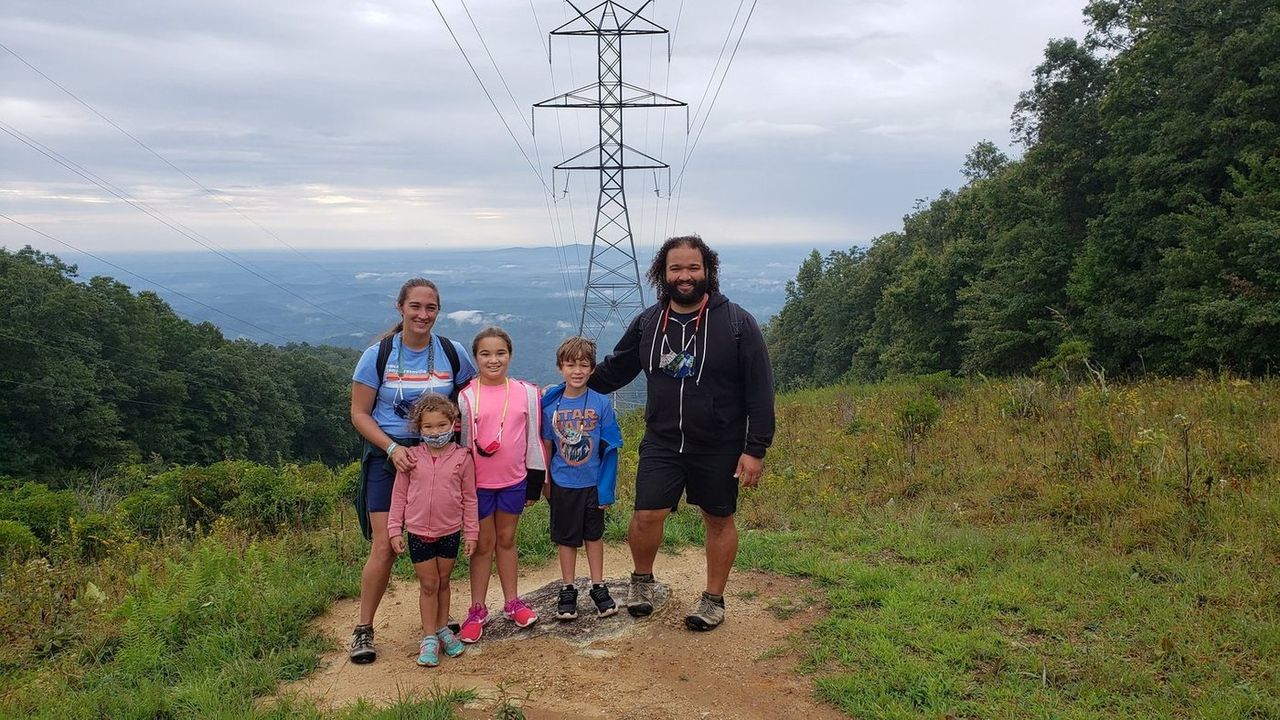
From the camp’s own social media posts.
What it really costs
Deposit and paymentsA non-refundable $100 deposit per child or youth camper is required at registration; family camps require $50 per household member. Source
RefundsCancellations before the May deadline receive a refund minus the non-refundable deposit; later cancellations are non-refundable unless the spot is filled, with a 50% medical refund. Source
Financial aidLimited scholarship help can cover up to one-third of the cost; families complete a scholarship form at registration and are asked to contribute a third with their church. Source
Extra feesA $3 administrative fee and a 3% credit card processing fee are added to the final total. Source
Camp life
Daily schedulePart set, part chosensome activities planned, some picked by campers
Run byChurch
Day to day
WaterfrontAtlantic beach and estuary; swimming, sailing, kayaking, seining
First-time campersThe camp offers homesickness advice and staff training, and asks families to prepare first-time campers positively and not promise pick-up or phone calls.
Visiting dayFriends and family may not visit during camp, but may explore the center on the last day after check-out.
Phones and keeping in touch
PhonesCampers are asked to leave phones and smart watches at home; staff collect any devices found and return them at the end of the session.
Staying in touchFamilies stay in touch with campers through handwritten letters; emailed letters are not accepted and campers may not receive packages.
Health and safety
Health careA resident summer camp nurse staffs the Health Center, dispenses medications, and handles illnesses and emergencies throughout each session.
Food and allergiesThe campus is nut-free and can accommodate gluten-free, dairy-free, and vegetarian/vegan needs with advance notice.
Staff checksStaff complete applications, interviews, reference and background checks, sexual abuse prevention training, and CPR/First Aid certification.
About the camp
DirectorsMeg Cutshall, Director of Summer Camp
Visit or tourThe camp offers a cabin tour and tours of outdoor and indoor spaces on its website.